

What if the low energy and sadness you feel during the winter months aren’t just a seasonal slump? What if it’s your brain signaling for help? Seasonal Affective Disorder (SAD) impacts millions each year, often leaving them feeling stuck in a cycle of fatigue, low mood, and brain fog.
The good news is there’s a natural way to support your brain and combat these symptoms. Emerging research points to omega-3 fatty acids as an unexpected but powerful ally in fighting SAD. Let’s dive into the science and explore how omega-3s can help you regain clarity and vitality during the darker months.
Omega-3 fatty acids are essential nutrients that play a critical role in brain health. The two primary types are:
· Eicosapentaenoic Acid (EPA): Known for its anti-inflammatory properties.
· Docosahexaenoic Acid (DHA): Essential for maintaining brain structure and function.
These fatty acids are vital for neurotransmitter function, reducing inflammation, and supporting overall brain resilience. The catch? Your body can’t produce omega-3s on its own, so you need to get them through your diet or supplements.
Seasonal Affective Disorder is often linked to a drop in serotonin levels and increased inflammation—two areas where omega-3s shine.
· A 2007 Tijdschr Psychiatr review found a strong connection between omega-3 intake and mood regulation. The study highlighted that omega-3s support serotonin pathways in the brain, potentially alleviating depressive symptoms tied to SAD.
· The Neurosignals journal published findings showing that omega-3s reduce inflammation in the brain while enhancing neuroplasticity, helping your brain adapt to seasonal stressors.
· According to a 2023 Cureus review, omega-3 supplementation showed promising results in reducing depressive symptoms, especially when combined with other therapies.
These findings suggest that omega-3s could address the root causes of SAD, offering relief from symptoms like fatigue, brain fog, and low mood.
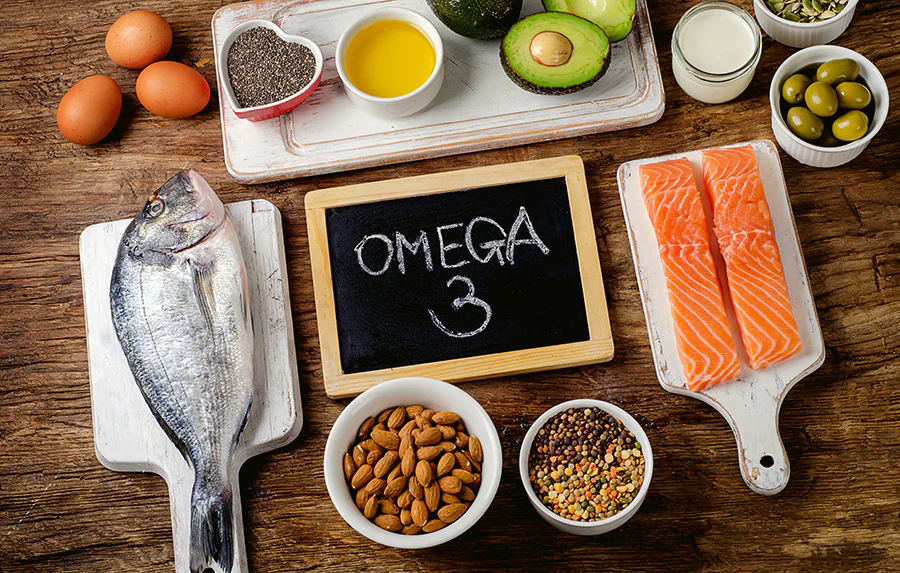
Fortunately, boosting your omega-3 levels doesn’t have to be complicated. Here are two primary ways to incorporate these brain-supporting nutrients into your life:
Include these omega-3-rich foods in your meals:
· Fatty fish like salmon, mackerel, and sardines.
· Plant-based sources such as flaxseeds, chia seeds, and walnuts.
If dietary changes aren’t enough, high-quality omega-3 supplements can provide the support your brain needs. Look for products with a balanced EPA-to-DHA ratio for optimal results.
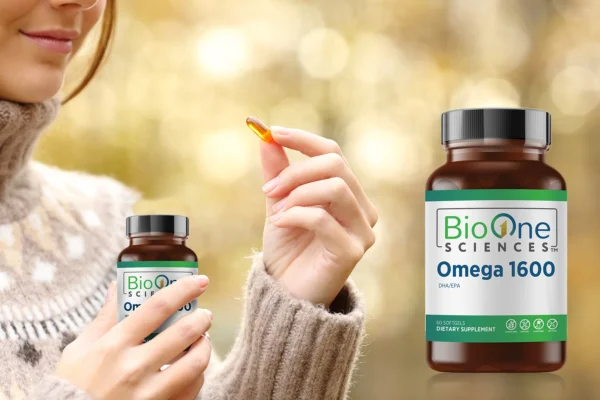
For those seeking an easy and effective way to boost omega-3 intake, BioOne Sciences’ Omega 1600 offers a potent solution.
Here’s why:
· High Potency: Each serving contains 800 mg of EPA and 800 mg of DHA, the optimal balance for brain health.
· Natural Ingredients: Sourced from high-quality fish oil with added tocotrienols and natural lemon flavor.
· Easy to Use: Two soft gels daily provide a powerful dose of omega-3s to support your brain and mood.
Ready to add more Omega 3 into your diet to support your mood through seasonal changes?
Van Strater, A.C.P., & Bouvy, P.F. (2007). Omega-3 fatty acids in the treatment of affective disorders: an overview of the literature. Tijdschr Psychiatr, 49(2), 85-94.
Su, K.P. (2009). Biological mechanism of antidepressant effect of omega-3 fatty acids: how does fish oil act as a ‘mind-body interface’? Neurosignals, 17(2), 144-152.
Thakur, T., Mann, S.K., Malhi, N.K., & Marwaha, R. (2023). The Role of Omega-3 Fatty Acids in the Treatment of Depression in Children and Adolescents: A Literature Review. Cureus, 15(9), e44584.



What is the primary goal of this appointment?
Focus on physical symptoms, lab tests, gut health, toxins, and targeted nutrition protocols.
Focus on mental wellness, trauma processing, stress management, and cognitive support.
What is the primary goal of this appointment?
Focus on physical symptoms, lab tests, gut health, toxins, and targeted nutrition protocols.
Focus on mental wellness, trauma processing, stress management, and cognitive support.